
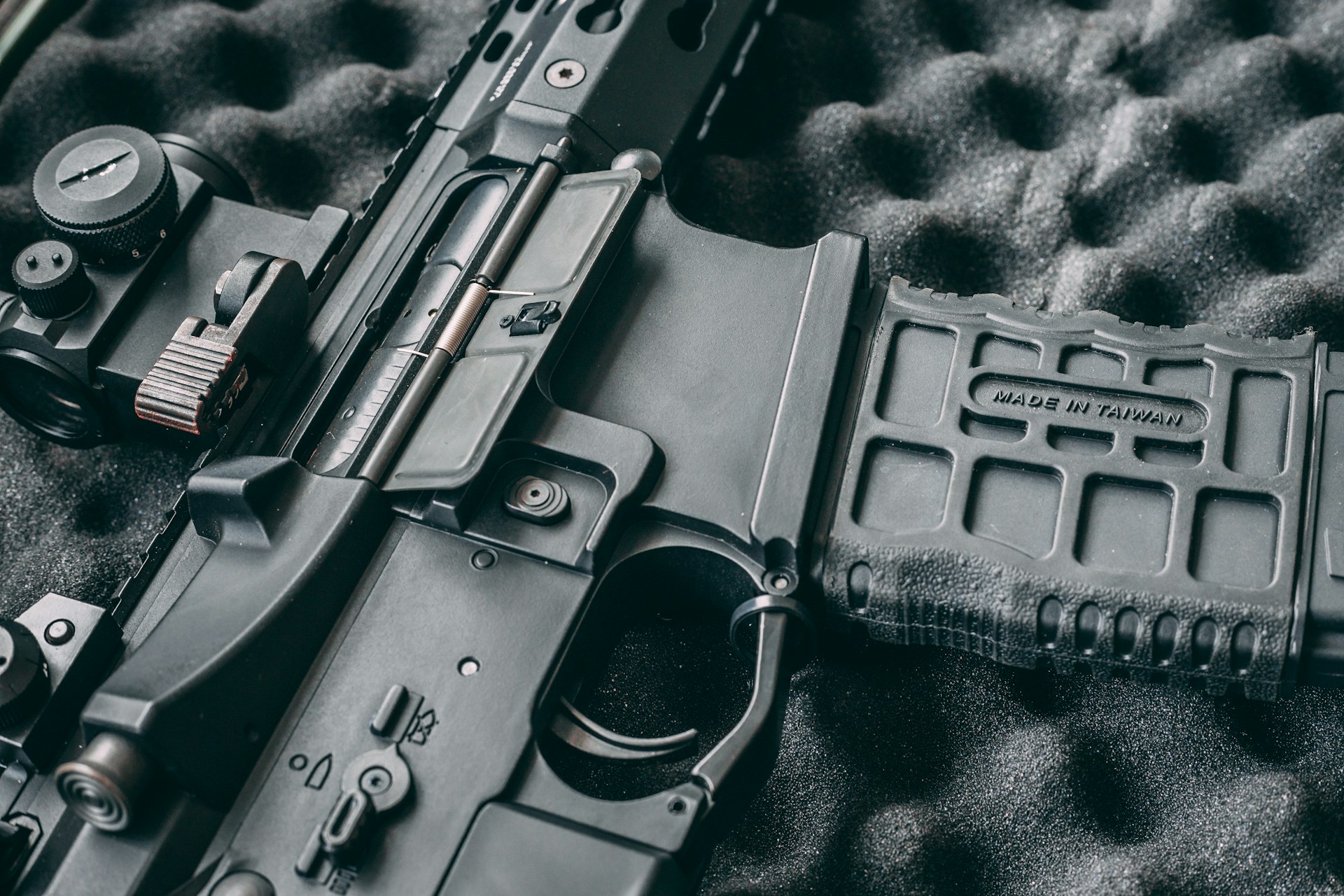
Weapons offences are treated seriously under Canadian criminal law. Charges related to weapons can arise in a wide range of circumstances, from possessing prohibited firearms to carrying everyday objects that police believe were intended to be used as weapons. Even individuals with no prior criminal history can find themselves facing complex and potentially severe legal consequences if they are accused of a weapons-related offence.
In Toronto and throughout Ontario, weapons charges are governed primarily by the Criminal Code of Canada. These provisions are broad and cover several different types of conduct, including possessing prohibited weapons, carrying weapons in public without lawful authority, and possessing weapons for a dangerous purpose. For individuals facing allegations, understanding the difference between various types of weapons offences—particularly possession offences and unauthorized carrying—can be an important first step in navigating the criminal justice process.
How Canadian Law Defines a “Weapon”
Under the Criminal Code, the definition of a weapon is broader than many people expect. While firearms and knives are commonly associated with weapons offences, the law defines a weapon as anything that is designed to be used, intended to be used, or capable of being used to cause death or injury to a person, or to threaten or intimidate another person.
This means that objects not typically considered weapons may fall within the legal definition if they are alleged to have been carried or used for a harmful purpose. For example, items such as baseball bats, tools, or even household objects could potentially be considered weapons depending on the circumstances surrounding their possession or use.
Because of this broad definition, weapons charges may arise in a variety of situations. Police and prosecutors will often look not only at the object itself but also at the surrounding context, including the individual’s intent, the location where the object was found, and whether there is evidence suggesting it was intended for use as a weapon.
Categories of Weapons Under Canadian Law
Canadian law distinguishes between several categories of weapons, particularly in relation to firearms. These classifications are important because they determine whether possession of a weapon is legal and what types of licensing or authorization may be required.
Firearms are generally categorized as non-restricted, restricted, or prohibited. Non-restricted firearms typically include common hunting rifles and shotguns. Restricted firearms generally include certain handguns and other regulated firearms that require specific licensing and registration. Prohibited firearms include certain automatic weapons and other firearms that are tightly controlled under Canadian law.
In addition to firearms, the Criminal Code identifies certain weapons that are prohibited altogether, including switchblades, brass knuckles, and certain disguised weapons. Possession of these items can result in criminal charges regardless of the circumstances.
Understanding these classifications is essential, as different offences apply depending on the type of weapon involved and whether the individual had lawful authority to possess it.
Possession of a Weapon Under the Criminal Code
One of the most common weapons-related offences is possession of a weapon. The Criminal Code contains several provisions that criminalize possession of certain weapons under specific circumstances.
For example, an individual may be charged with possession of a prohibited or restricted weapon if they do not have the proper licence or authorization required under Canadian firearms laws. In these cases, the Crown must generally prove that the accused knowingly had the weapon in their possession and that they were not legally authorized to possess it.
Possession under Canadian criminal law does not necessarily require the weapon to be physically held by the accused at the time of the alleged offence. A person may be considered to have possession if the weapon is found in a location they control, such as their vehicle, home, or personal belongings, and they are aware of its presence.
There are also offences relating to possession of a weapon for a dangerous purpose. This type of charge may arise where the prosecution alleges that an individual possessed an object with the intent of using it to cause harm or to threaten another person. In these cases, the Crown must establish not only possession but also the alleged dangerous intent associated with that possession.
Unauthorized Carrying of a Weapon
Another commonly charged offence involves carrying a weapon without lawful authorization. The Criminal Code makes it an offence to carry a weapon, prohibited device, or prohibited ammunition concealed on one’s person unless the individual has lawful authority or a valid excuse.
The offence of carrying a concealed weapon often arises when police allege that an individual intentionally hid a weapon on their person or within their clothing. The prosecution must generally prove that the weapon was concealed and that the accused intended to carry it in that concealed manner.
Separate provisions also address carrying a weapon for a dangerous purpose. In these situations, the focus is not necessarily on concealment but on whether the individual carried the weapon with the intention of using it to harm someone or to threaten or intimidate others.
These offences are frequently connected to allegations involving public altercations, threats, or disputes. However, they may also arise in situations where police believe that the circumstances suggest the weapon was carried with harmful intent.
Key Differences Between Possession and Carrying Offences
While possession and carrying offences may appear similar, they involve different legal elements and factual considerations.
Possession offences focus primarily on whether the accused had control over a weapon and whether they were legally authorized to possess it. These cases often arise when weapons are discovered during police searches, traffic stops, or investigations.
Carrying offences, on the other hand, typically involve situations where the weapon is alleged to have been actively carried by the accused in public or concealed on their person. These charges often involve additional considerations, such as whether the weapon was hidden and whether the accused intended to use it for a dangerous purpose.
In many cases, the same set of circumstances may lead to multiple charges. For example, an individual found carrying a prohibited weapon in public may face both possession-related charges and charges related to carrying or concealing the weapon.
Potential Penalties for Weapons Offences
Weapons offences in Canada can carry significant penalties, particularly when firearms or prohibited weapons are involved. Depending on the specific offence and the circumstances of the case, individuals may face fines, probation, weapons prohibitions, or terms of imprisonment.
Some weapons offences carry mandatory minimum sentences, particularly those involving firearms. In addition, courts often impose prohibition orders preventing individuals from possessing firearms or other weapons for a specified period of time.
Even where incarceration is not imposed, a conviction for a weapons offence can have lasting consequences. A criminal record may affect employment opportunities, travel, professional licensing, and other aspects of an individual’s personal and professional life.
Legal Issues That Often Arise in Weapons Cases
Weapons prosecutions frequently involve complex legal and evidentiary issues. In many cases, the outcome of the matter may depend on the circumstances surrounding how the weapon was discovered and whether the police investigation complied with constitutional requirements.
For example, courts may examine whether police had lawful authority to search a vehicle or residence where a weapon was discovered. If evidence was obtained through an unlawful search or seizure, the court may consider whether that evidence should be excluded under the Canadian Charter of Rights and Freedoms.
Another key issue may involve proving knowledge and control. The prosecution must generally demonstrate that the accused knew about the weapon and had some degree of control over it. In cases involving shared spaces, vehicles, or residences, establishing possession may be more complex.
Intent may also be a significant factor in certain offences, particularly those involving carrying a weapon for a dangerous purpose. The Crown must establish that the accused intended to use the weapon in a harmful or threatening manner, which can sometimes be difficult to prove depending on the available evidence.
Hicks Adams: Toronto Criminal Defence Lawyers Providing Experienced Representation in Weapons & Firearms Charges
Weapons charges can carry serious legal consequences, including potential jail sentences, weapons prohibitions, and a permanent criminal record. Whether you are facing allegations involving possession of a weapon, unauthorized carrying, or firearms-related offences, it is important to understand your legal rights and options.
The criminal defence lawyers at Hicks Adams can review the details of your case, assess the strength of the evidence against you, and develop a defence strategy tailored to your circumstances. Legal representation may also assist in addressing complex issues related to police searches, Charter rights, and the interpretation of the Criminal Code.
If you have been charged with a weapons offence in Toronto or elsewhere in Ontario, contact us online or call 416-975-1700 to discuss the next steps and protect your legal interests.
